4 politico News
Lauren Harper is Freedom of the Press Foundation’s first Daniel Ellsberg Chair on Government Secrecy.
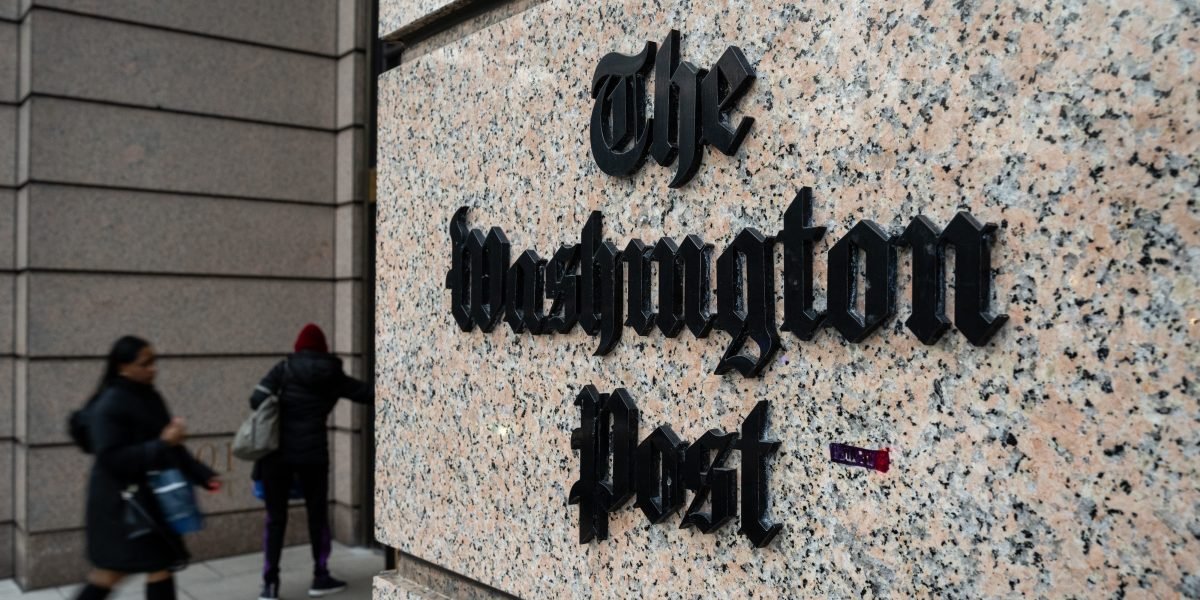
On Wednesday morning, the FBI raided the home of Washington Post journalist Hannah Natanson in an alarming escalation of the Trump administration’s war on press freedom. The raid can be seen as a direct result of Attorney General Pam Bondi’s decision last year to reverse media protections for journalists from having their records searched during leak investigations — a decision that was a sham from the start.
The search of Natanson’s home was allegedly part of an investigation into a government contractor, Aurelio Perez-Lugones, who is accused of illegally retaining classified information. Press freedom advocates have said the raid violates federal law and endangers First Amendment freedoms. The Post also received a subpoena related to Perez-Lugones on Wednesday morning, according to the paper’s own reporting.
Bondi laid the groundwork for this problematic search nearly a year ago, when she rescinded Biden-era media guidelines that protected reporters from being compelled to disclose their sources or having their records searched.
A Freedom of Information Act request filed by Freedom of the Press Foundation showed that Bondi’s pretext for reversing these protections was nonsense.
The genesis of Bondi’s evisceration of media protections goes back to reporting on Venezuela last spring that the Trump administration didn’t like. In March 2025, the Trump administration invoked the Alien Enemies Act to deport Venezuelans it claimed were members of the Tren de Aragua gang to El Salvador. To do so, the administration alleged the gang operated in coordination with Venezuelan President Nicolás Maduro’s government. The connection between Tren de Aragua and Maduro was an essential pretext, because the Alien Enemies Act only allows for the deportation of citizens of an enemy government, not suspected affiliates of an independent organization. In other words, if Maduro wasn’t directing the gang, the Act shouldn’t apply.
Shortly after the Trump administration invoked the Act, journalists blew a hole in the administration’s claims.
The New York Times and Washington Post each reported on the existence of classified intelligence community assessments showing that most spy agencies overwhelmingly did not believe Tren de Aragua was coordinating with the Maduro government, seriously undermining the administration’s rationale for its deportations.
Bondi responded to the reporting by claiming that leaks about the memo were “illegal and wrong” and made it more difficult to “keep America safe.” Bondi relied on these unsubstantiated claims in her decision to roll back the Justice Department’s existing media protections, a move that has made it easier for the Trump administration to target journalists and their sources.
I filed a FOIA request for the intelligence community memo the same day Bondi reversed the DOJ’s media guidelines. I didn’t believe her claims that public awareness of the memos caused any harm to national security, and I know that agencies are required to take public interest into account when reviewing even properly classified information for release.
The document was declassified and released to me in seven days.
Not only did the official disclosure back up initial reports that the Trump administration had no basis for invoking the Alien Enemies Act, but it also showed the information could be released without making it any harder to protect America, and that Bondi’s claims that journalists were endangering America was an obvious falsehood to make it easier to intimidate them from contradicting the administration.
Bondi’s accusations about journalists and her reversal of media protections have gone unchecked and are now being weaponized by law enforcement against journalists and their sources.
According to the Washington Post, investigators told Natanson she was not the focus of the probe, and Perez-Lugones has not been accused of leaking the information he allegedly retained. But given the administration’s track record, every implication that a leak to a reporter endangers national security should be seen as suspect, as should their classification claims. More likely, they’re concerned with their own reputational security.
Every presidential administration classifies too much information, to the tune of 75 percent to 90 percent of information being overclassified, and argues that a wide swath of information must be protected under the guise of national security. The Trump administration is arguably the worst, claiming everything from kitchen cabinets to foreign movies are matters of national security.
Even when information meets the standards for classification, agencies are supposed to take public interest in the information into account when making declassification decisions. I have studied government secrecy for over 15 years and tracked both Trump administrations closely. I have never seen them take a good-faith approach to this rule.
Congress should have stepped in years ago to protect journalists by passing a federal shield bill or reforming the Espionage Act so national security reporters and whistleblowers aren’t treated like foreign spies. But instead of standing up for the press, its recent actions risk normalizing the very real and escalating threats against them.
Just last week, the House of Representatives passed a motion to subpoena journalist Seth Harp for “leaking classified intel about Operation Absolute Resolve, including doxxing a Delta Force commander.” This motion passed unanimously even though journalists can’t “leak” information and have a constitutional right to publish classified information as long as they obtain it lawfully.
The entire federal government needs a refresher course: The public has a right to know what the government is doing and why; whistleblowers have the right to work with the press, even when the information is classified; and every American should be alarmed by the government claiming it has the right to raid reporters’ homes.